




Boost Your Local SEO: The Power of Geotagged Media
You’re missing out if geotagged media isn’t part of your local SEO strategy. It’s one of the smartest ways to boost your proximity signals and local relevance—key factors that push you into the Google Map Pack. This isn’t guesswork; it’s a proven approach that drives real visibility and customer engagement in your service area. Keep reading to learn how smart use of geotagged media can put your business ahead of competitors. Learn more here.
Understanding Geotagged Media

Let’s dive into the world of geotagged media and its impact. This section will explore what geotagged media is and how it boosts your local search presence.
What Is Geotagged Media?
Geotagged media includes photos and videos tagged with specific location data. Imagine taking a picture at your business and attaching its exact location. This simple action turns your media into a powerful tool. It connects your business visually to a specific place, making it easier for locals to find you. By creating a collection of such content, you enhance your local visibility without much extra effort. Businesses using geotagged media often see improved engagement, as nearby customers are more likely to discover them.
Impact on Local SEO
Geotagged media can significantly improve your local SEO. When you add location data to your media, search engines recognize your business’s relevance in that area. This relevance boosts your chances of appearing in local searches. It’s like telling Google, “Hey, I’m here, and I’m relevant!” With more relevant signals, search engines are more likely to push your business higher in local results. This means more visibility and, ultimately, more customers finding you organically.
Enhancing Proximity Signals
Proximity signals play a huge role in local searches. The closer a business is to the searcher, the more likely it is to appear in search results. Geotagged media strengthens these proximity signals. By consistently uploading media with accurate location tags, you remind search engines of your business’s exact position. This repeated affirmation helps your business stay top-of-mind when someone searches locally. If local dominance is your goal, geotagged media is a must-have tool in your SEO arsenal. Discover how to use geotags effectively.
Boosting Local Search Visibility
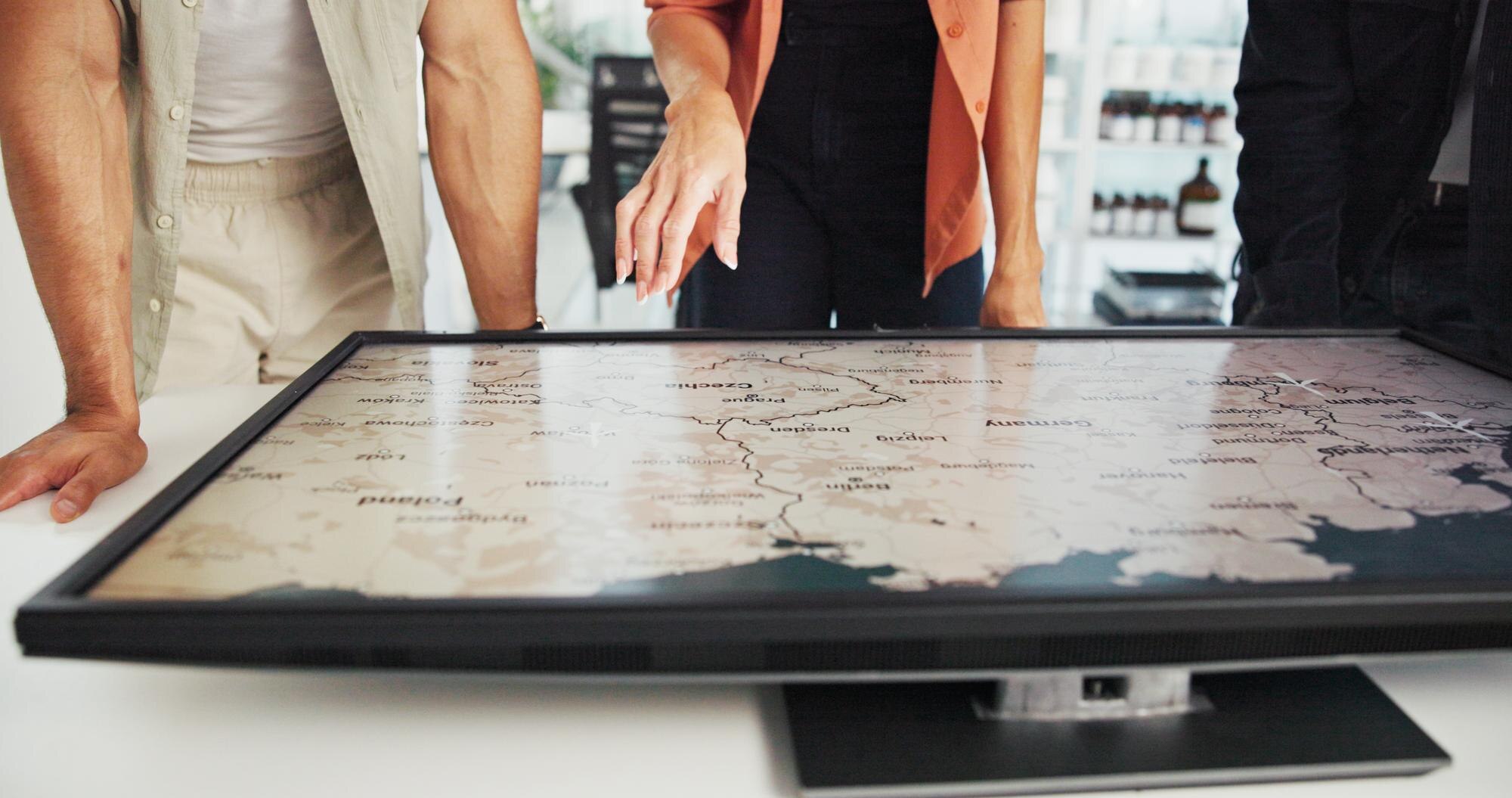
Understanding geotagged media is just the start. Let’s explore how you can boost your local search visibility with the right strategies.
Increasing Local Relevance
Local relevance is key to dominating local search results. To increase it, you need content that resonates with your community. Geotagged media is a perfect fit here. By sharing images and videos that reflect local culture and events, you connect with your audience on a personal level. This connection builds trust and makes your business the go-to choice for locals. The more relevant you are to your community, the more likely they are to choose your services over competitors.
Leveraging the Google Map Pack
The Google Map Pack is a critical component of local SEO. Appearing in these results can drastically increase your visibility. Geotagged media plays a crucial role here. Each geotagged image adds a layer of authenticity and relevance to your business profile. With consistent updates, you signal to Google that your business is active and engaging. This activity can improve your chances of being featured in the Map Pack, bringing more eyes to your business. Explore more about enhancing your Map Pack performance.
Crafting a Winning SEO Strategy
A comprehensive SEO strategy includes several elements: keyword optimization, content creation, and local engagement. Geotagged media should be a part of this mix. By integrating geotagged content, you strengthen your strategy and increase your chances of success. Regular posting of location-tagged media ensures your business remains relevant and visible. With a well-rounded approach, you can outshine competitors who rely solely on traditional SEO tactics. Here’s the key insight: the more varied and engaging your content, the better your results will be.
Practical Steps for Businesses

Ready to implement these insights? Let’s break down how you can use geotagged media in your business strategy for maximum impact.
Implementing Geotagged Content
Start by creating a library of geotagged content. Follow these steps to get going:
Capture Local Moments: Take photos and videos that highlight your business’s connection to the community.
Add Location Tags: Use tools and apps to attach accurate location data to each piece of media.
Regular Updates: Consistently upload new content to maintain engagement and relevance.
By following these steps, you’ll build a robust collection of geotagged media that enhances your local presence. Read more about effective strategies here.
Monitoring and Adjusting Strategies
Effective SEO requires ongoing monitoring and adjustments. Keep an eye on how your geotagged content performs. Are there particular types of content that engage more? Use this data to refine your strategy. Regular assessment ensures that your efforts are aligned with your business goals. If something isn’t working, adjust your approach and try new tactics. Flexibility is key to staying ahead in the ever-changing SEO landscape.
Benefits of Expert Consultation 🚀
Working with experts can amplify your results. Professionals provide insights you might not consider, helping you optimize every aspect of your strategy. They can guide you in the right direction and offer valuable tools and techniques. With expert help, you maximize the benefits of geotagged media and improve your local SEO efforts. Consider partnering with specialists who understand the nuances of local search to drive better outcomes for your business.
Incorporating geotagged media into your SEO strategy can transform your local visibility. Start today and watch your business grow in your local market!
Link in Bio