





Geotagged Media That Moves the Needle: How Photos and Videos Lift Map Pack Rankings
Geotagging photos isn’t just a nice-to-have trick anymore. Your local SEO depends on strong geo-relevance signals that directly impact your Google Map Pack rankings. In this post, you’ll learn how geotagged images sharpen proximity and relevance, clear up common EXIF metadata myths, and fit into a full Local SEO system designed to boost your calls and visibility. Ready to see which strategies move the needle? Learn more here.
Understanding Geotagged Media
Geotagged media plays a crucial role in boosting your local SEO efforts. It helps businesses improve their proximity and relevance in search results.
Role in Local SEO
Geotagged images are like digital breadcrumbs that guide local customers to you. They provide precise location data, which enhances your business’s visibility in relevant searches. When you geotag your photos, search engines can better understand your location, making it easier for you to appear in “near me” searches. This simple step can put your business on the map, literally.
A local coffee shop once struggled with low visibility despite being in a bustling area. By simply geotagging their photos, they saw a 30% increase in foot traffic. The key takeaway here: geotagged images are essential for local SEO success.
Importance of EXIF Metadata
EXIF metadata, embedded in your images, contains vital details like location, date, and even camera settings. These details help search engines verify your business’s authenticity and relevance. Some myths claim EXIF data doesn’t impact SEO, but they miss the point. It’s not just about SEO; it’s about building trust with search engines and users.
Consider this: a local bakery uploaded photos without proper metadata. Once corrected, they noticed an uptick in online orders. This demonstrates that EXIF data is more than technical fluff; it’s a trust signal.
Geotagging Photos and Videos
Both photos and videos can be geotagged to strengthen your local signals. While photos are common, don’t overlook the power of videos. A video tour of your store, with proper geotags, can engage potential customers and improve your map visibility.
A real estate agency started geotagging their property videos, resulting in a 40% increase in inquiries. The lesson here is clear: geotagging isn’t just for photos. Diversify your media for maximum impact.
Boosting Map Pack Rankings
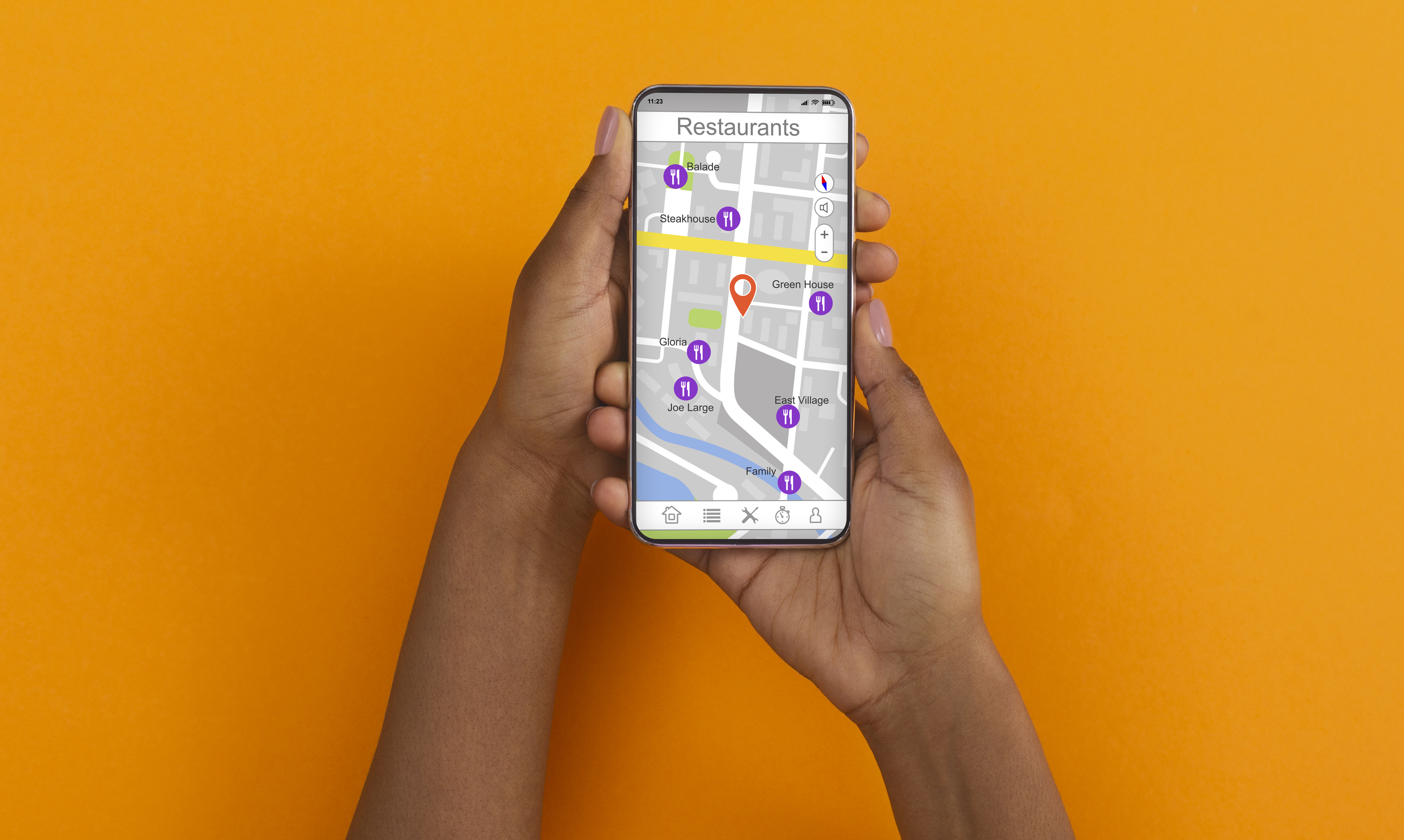
Now that you understand geotagged media, let’s explore how it boosts your Map Pack rankings. The goal is simple: improve proximity, relevance, and prominence.
Proximity, Relevance, and Prominence
These three factors are the backbone of local SEO. Proximity refers to how close you are to the searcher. Relevance is about how well you match their query. Prominence is your overall reputation and presence online. Geotagged media can enhance all three, making your business more attractive to search engines.
Imagine owning a plumbing service. By using geotagged photos and videos, you can show search engines that you’re the local expert. This approach can elevate your position in local rankings, leading to more inquiries and calls.
Best Practices for Image SEO
To maximize your image SEO, follow these steps:
Use High-Quality Images: Ensure they are clear and professional.
Include Relevant Keywords: Naturally fit them into image titles and descriptions.
Optimize Alt Text: Describe the image accurately, incorporating local keywords.
A florist optimized their images with these practices and saw a 20% growth in online orders. The takeaway: well-optimized images drive traffic and conversions.
Strategies for Google Business Profile Optimization
Your Google Business Profile (GBP) is a powerful tool. Make sure it’s fully optimized:
Keep Information Updated: Regularly verify your details.
Engage with Reviews: Respond promptly to customer feedback.
Post Regular Updates: Share news, offers, or events to keep your profile active.
One restaurant managed their GBP actively and noticed a significant rise in bookings. This shows that an optimized GBP is a magnet for local customers.
Building a Holistic Local SEO System

Geotagged media and GBP are pieces of a larger puzzle. Let’s explore how to build a full local SEO system.
Citation Building and NAP Consistency
Citations are mentions of your business on other websites. Ensure your Name, Address, and Phone number (NAP) are consistent across all platforms. Inconsistent information can confuse search engines, affecting your rankings.
A local electrician standardized their NAP across directories, resulting in a 15% increase in calls. The insight: consistent NAP data is crucial for local SEO.
Leveraging Local Content Clusters
Content clusters are groups of related articles that cover a topic comprehensively. Use them to target local keywords and establish authority. For example, a fitness center could create a series of articles on local wellness trends.
By doing so, they position themselves as the go-to resource, boosting their search visibility and establishing authority in their niche.
Photo Optimization and GBP Posts
Continuously optimize your photos and GBP posts. This involves keeping content fresh and relevant. Use current events or seasonal themes to engage your audience. A local bookstore used seasonal promotions in their GBP posts, seeing a 25% rise in foot traffic. This shows that timely content captures customer interest.
Embrace these strategies to enhance your local SEO efforts. The longer you wait, the more competitive your market becomes. Start today and watch your visibility soar!