



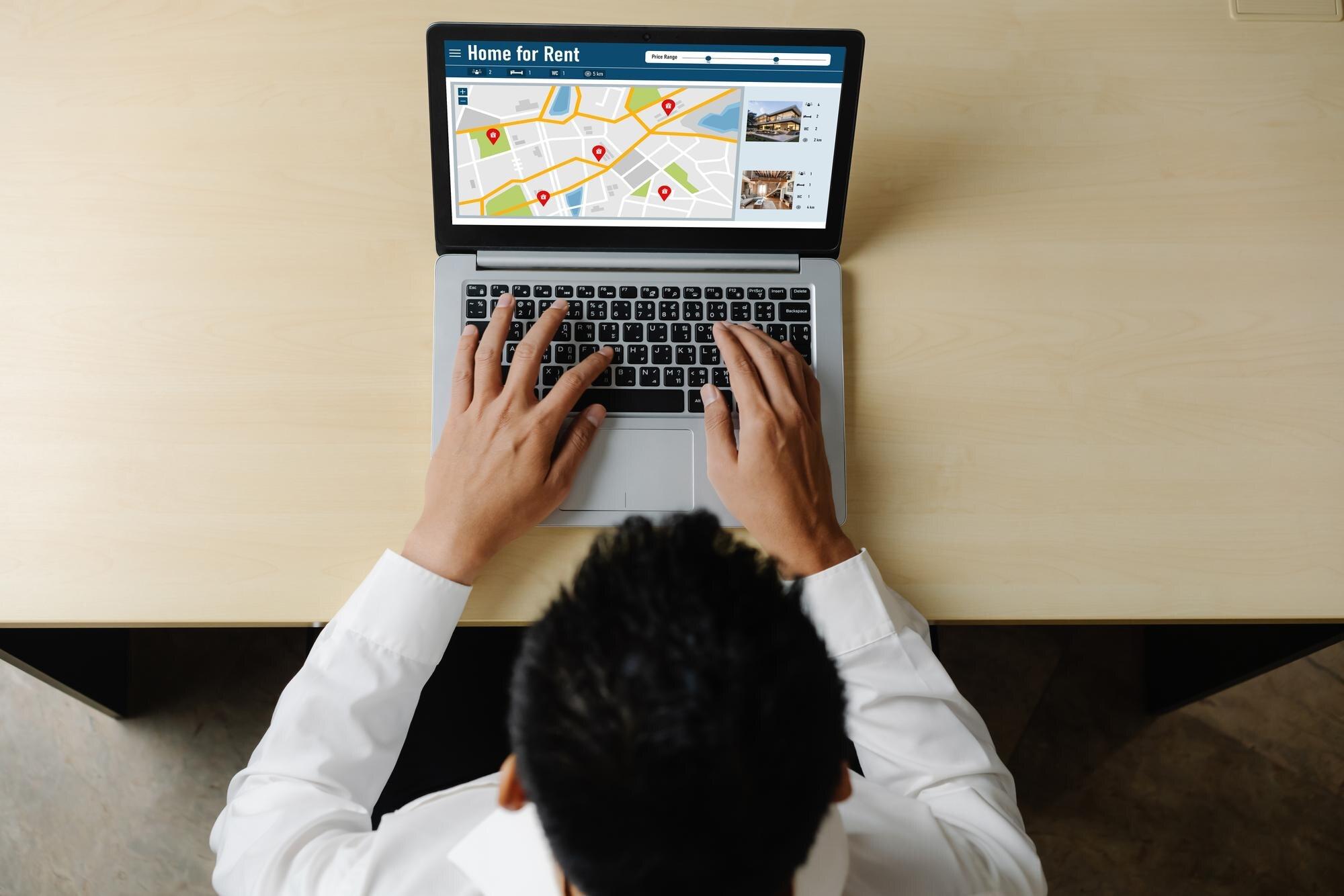
Most local service businesses miss the critical step of building a footprint that wins across Maps, organic search, and ads. You might be juggling Google Business Profile optimization, service-area pages, and ad campaigns without a clear strategy linking them all. This post lays out a step-by-step framework to boost your proximity, relevance, and prominence—so you rank higher in the Google Map Pack, scale organic SEO, and drive immediate leads with smart ads. Ready to take control of your local visibility? Check out this local SEO guide.
Mastering Local SEO for Map Pack Wins
Let’s dive into how you can master local SEO to achieve prominent Map Pack rankings. Understanding the core principles of proximity, relevance, and prominence is essential for success.
Proximity, Relevance, and Prominence
To start, proximity, relevance, and prominence are the three pillars of local SEO. Proximity refers to how close your business is to the searcher, relevance is how well your business matches the search query, and prominence is how well-known your business is. By improving these factors, you will see better Map Pack visibility. Consider adding geotagged images to your site to boost proximity signals effectively.
Google Business Profile Optimization Tips
Optimizing your Google Business Profile (GBP) is crucial for better local rankings. Ensure your profile is complete with accurate business information, including service areas and categories. Regularly update posts, photos, and respond to reviews. This active management signals relevance and prominence to Google. Review our GBP optimization tips for more insights.
Effective Map Pack Ranking Factors
Ranking in the Map Pack involves several factors. Beyond proximity, relevance, and prominence, consider your online reviews’ quality and quantity, consistent NAP (Name, Address, Phone number) information, and local backlinks. Engaging with the community through local events and partnerships can also enhance your prominence score.
Scaling Organic Search with Local Content

Once your Map Pack strategy is in place, it’s time to scale organic search through strategic local content development.
Building Local Content Clusters
Content clusters are a powerful way to improve your site’s relevance. Create a series of interlinked blog posts and pages focusing on local topics and keywords. This approach helps Google understand your expertise in your industry and locality. For example, a local SEO guide can serve as a cornerstone content piece, supported by detailed posts on specific local services.
Technical SEO for Service Businesses
Technical SEO ensures your website is accessible and indexable by search engines. Optimize your site’s loading speed, mobile responsiveness, and site structure. Use tools like Google Search Console to identify and fix technical issues. Such optimizations are essential for maintaining strong local rankings.
Schema Markup LocalBusiness Essentials
Implementing schema markup on your business website helps search engines understand your business better. Use LocalBusiness schema to specify details like business hours, address, and service areas. This data can improve your search appearance and click-through rates by displaying rich snippets in search results.
Leveraging Ads for Immediate Leads
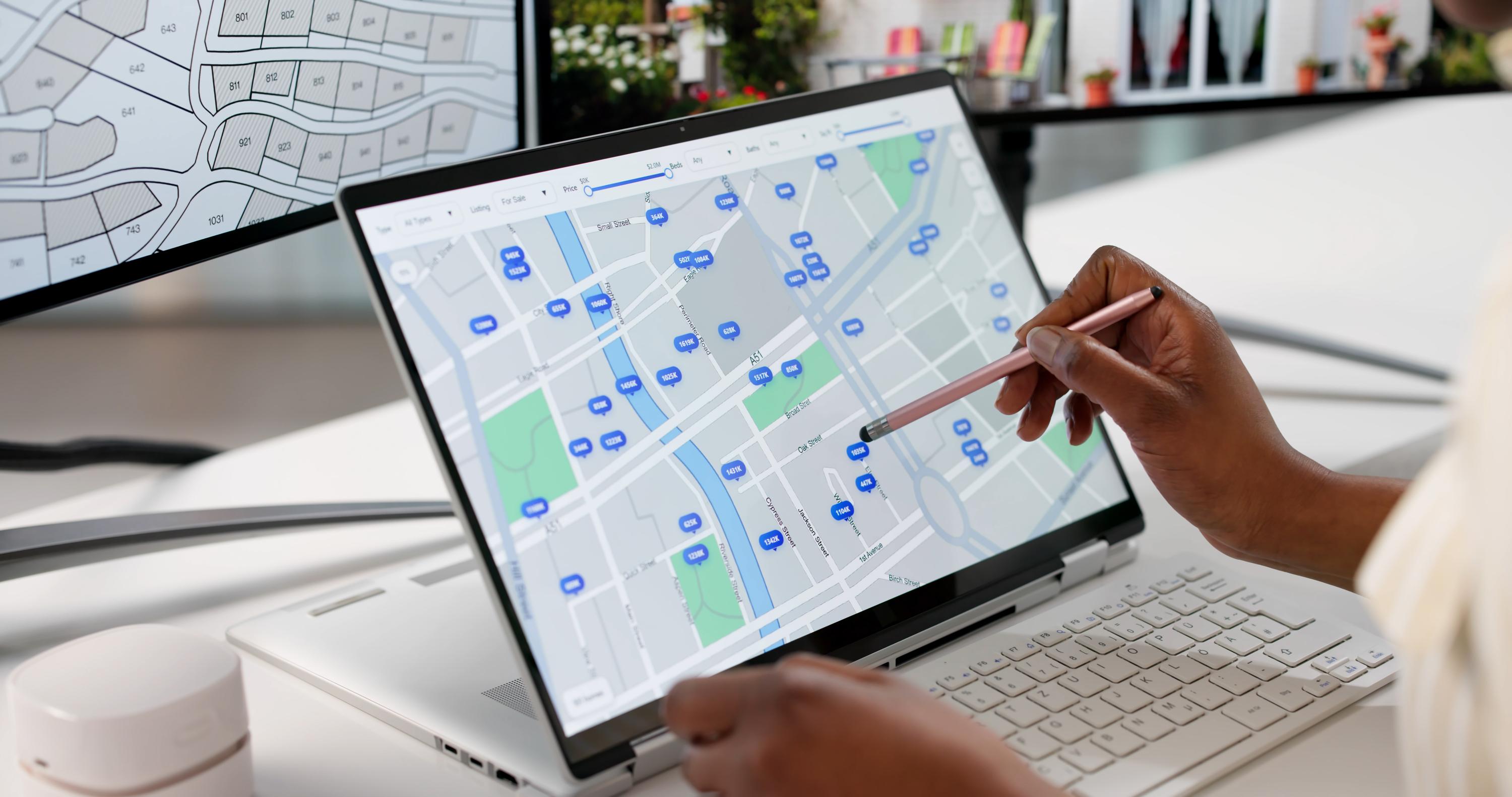
While organic growth is vital, leveraging ads can bring immediate results. Here’s how to do it effectively.
Google Ads for Local Businesses
Google Ads provide an excellent opportunity to target local customers actively searching for your services. Focus on local keywords and use location extensions to enhance ad visibility. Properly structured campaigns can lead to a significant increase in leads.
Local Service Ads LSA Strategies
Local Service Ads (LSAs) are tailored for local businesses, allowing you to appear at the top of search results with a “Google Guaranteed” badge. Utilize LSAs to build trust and capture high-intent leads. Research shows that businesses using LSAs see a notable increase in call volume.
Call Tracking and ROI Measurement
To maximize your ad spend, implement call tracking to measure which campaigns drive the most calls and leads. This data allows you to refine your strategy and focus on the most profitable channels. Call tracking tools provide insights into customer interactions and campaign effectiveness.
Frequently Asked Questions
What is proximity in local SEO?
Proximity measures how close your business is to a searcher. It significantly impacts your visibility in local searches. Ensuring your business address is correctly listed on your Google Business Profile can enhance proximity signals.
How can I improve my Google Business Profile?
Regular updates to your Google Business Profile, including adding photos, responding to reviews, and posting updates, improve your relevance and prominence in local searches.
What are Local Service Ads?
Local Service Ads (LSAs) are ads that appear at the top of Google Search results for local queries. They feature a “Google Guaranteed” badge, helping businesses gain trust and attract high-intent leads.
Why is schema markup important for local businesses?
Schema markup helps search engines understand your business data, leading to enhanced search visibility and click-through rates. Implementing LocalBusiness schema can display rich snippets, improving user engagement.
How do I measure the success of my local SEO efforts?
Success can be measured through increased visibility in search results, higher call volumes, and improved customer interactions. Tools like Google Analytics and call tracking software provide insights into your local SEO performance.