






Service-area pages often fall short because they miss the mark on true local relevance. If your city or town pages don’t connect deeply with your target areas, Google won’t push them into the Map Pack or top organic spots. You’ll learn exactly why proximity, relevance, and prominence matter—and get a clear checklist to fix your pages fast. Ready to boost your local SEO and outrank competitors? Let’s get started. More reasons why location pages fail to rank on Google.
Why Service-Area Pages Fail
Many service-area pages don’t perform well because they lack the necessary local relevance and essential SEO factors. Understanding these shortcomings is crucial to improving your online presence.
Lack of Local Relevance
The most common issue with service-area pages is their failure to establish a strong local connection. These pages often miss the nuances that make them truly relevant to their target area. Without this relevance, your pages struggle to engage both search engines and local users.
To make your pages more relevant, consider incorporating local landmarks, events, and community highlights. This not only helps in engaging local users but also enhances your local SEO efforts. Remember, Google favors content that resonates with specific locations, making relevance crucial for visibility.
Missing Key SEO Factors
Another downfall is the absence of key SEO elements that are vital for ranking well. This includes everything from using appropriate keywords to ensuring mobile-friendliness and fast loading times.
Your service-area pages should be optimized with localized keywords that reflect the way people search in specific areas. Tools like Google Keyword Planner can aid in finding these terms. Also, don’t overlook technical factors such as page speed and mobile compatibility, as they are crucial for both user experience and SEO.
Fixing Service-Area Pages Fast
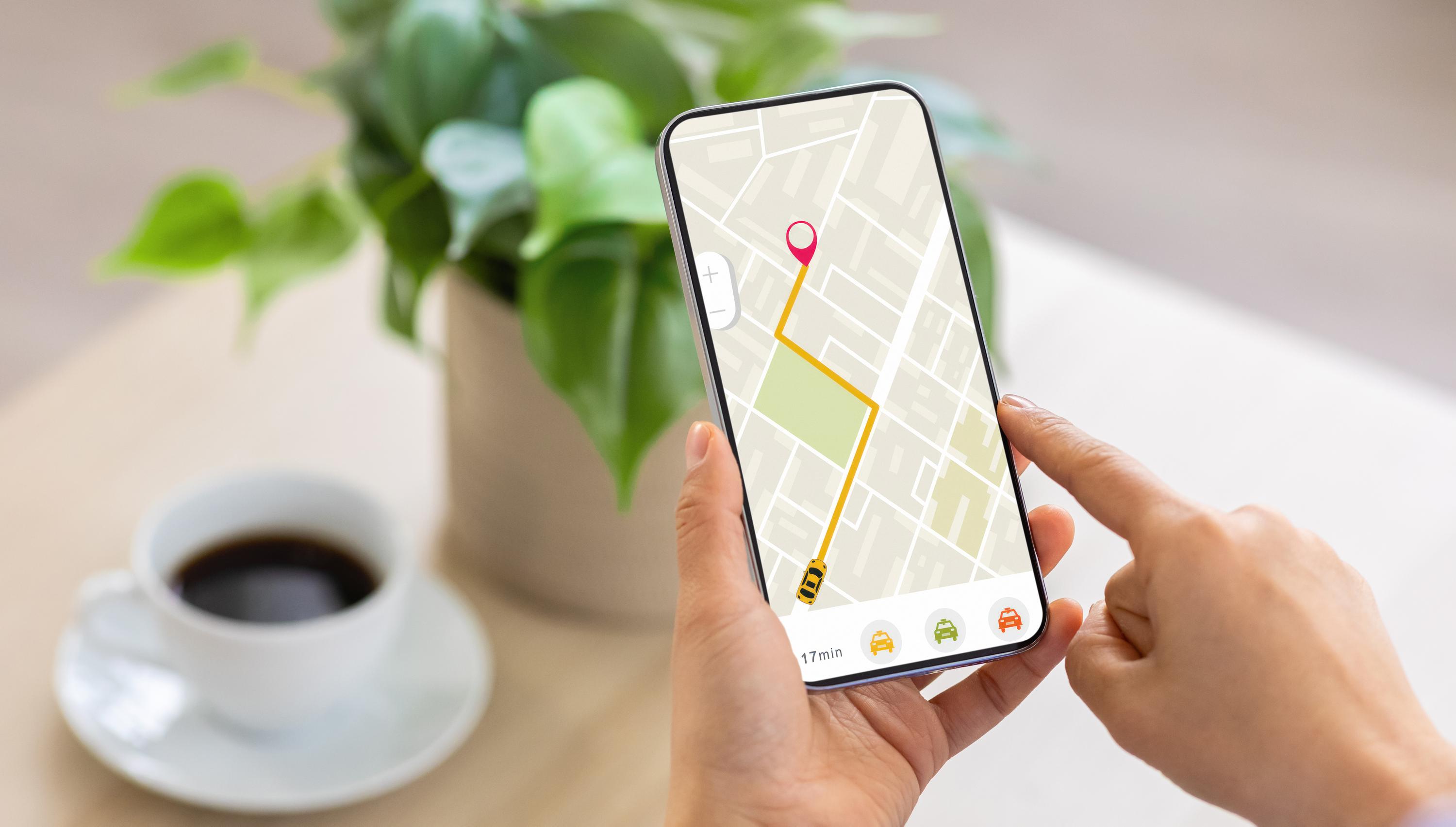
To address these issues quickly, a structured approach focusing on proximity, relevance, and prominence is essential.
Proximity Relevance Prominence Checklist
Proximity, relevance, and prominence are three factors Google uses to rank local results. Here’s how to align your service-area pages with these factors:
-
Proximity: Ensure your business address and contact details are prominently displayed. Use geotagged images to reinforce your location.
-
Relevance: Update content to include local keywords and phrases. Mention nearby landmarks or well-known local events.
-
Prominence: Build your online reputation through reviews and local citations. Engage in local community events to get mentioned online.
Focusing on these areas can significantly improve your page’s performance in local searches.
GBP Optimization and NAP Consistency
Optimizing your Google Business Profile (GBP) is critical for local SEO success. Ensure your NAP (Name, Address, Phone number) is consistent across all platforms. This consistency helps build trust with search engines and users alike.
Regularly update your GBP with posts, photos, and videos to maintain engagement. Also, respond to customer reviews promptly to show active management. Learn more about why these elements matter for local SEO.
Boosting Local SEO Performance

Once you’ve fixed the basics, it’s time to boost your local SEO performance with more advanced techniques.
Leveraging Local Backlinks and Citations
Backlinks and citations play a significant role in improving your local search rankings. Aim to get backlinks from reputable local websites and directories.
Local citations should be accurate and consistent across the web. Tools like Moz Local can help manage these citations efficiently. Building a network of local backlinks and citations strengthens your site’s authority.
Enhancing Content: E-E-A-T and Schema Markup
Your content should showcase Expertise, Authoritativeness, and Trustworthiness (E-E-A-T). Highlight your expertise in your service areas by sharing testimonials or case studies.
Implementing schema markup can further enhance how search engines interpret your content. It helps in displaying rich snippets in search results, improving click-through rates. Discover how to effectively use schema markup for local SEO.
Frequently Asked Questions
Why are my service-area pages not ranking well?
Service-area pages may not rank well if they lack local relevance or miss key SEO factors like appropriate keywords and mobile optimization.
How can I improve the local SEO of my service-area pages?
Enhance local SEO by using local keywords, ensuring NAP consistency, and optimizing your Google Business Profile for engagement and relevance.
What role do backlinks play in local SEO?
Backlinks from reputable local websites boost your site’s authority and improve search rankings. They’re crucial for building prominence in local SEO.
Why is schema markup important for service-area pages?
Schema markup helps search engines understand your content better, potentially leading to enhanced visibility through rich snippets in search results.
What is the E-E-A-T principle in SEO?
E-E-A-T stands for Expertise, Authoritativeness, and Trustworthiness. It’s a guideline for creating high-quality content that ranks well in search results.